
Our Team
Excellence Through Teamwork
Meet the people behind our work. They hold every matter to a high standard, focus on results, and aim to exceed what clients expect.
- Founded
- 2017
- Offices across the U.S.
- 5
- Attorneys and staff
- 21
21 people
Partners

Leslie W. Chervokas
Partner
New York

Michael B. Cohen
Partner
Chicago

Kimberly B. Greaves
Partner
Atlanta

Joseph Krcmar
Partner
Chicago

Joan M. Lebow
Partner
Chicago

Susan J. Macaulay
Managing Partner
Chicago

Ajay K. Mago
Managing Partner
Dallas · Chicago

Gary I. Masel
Partner
Fort Lauderdale

James W. Maxson
Partner
Atlanta
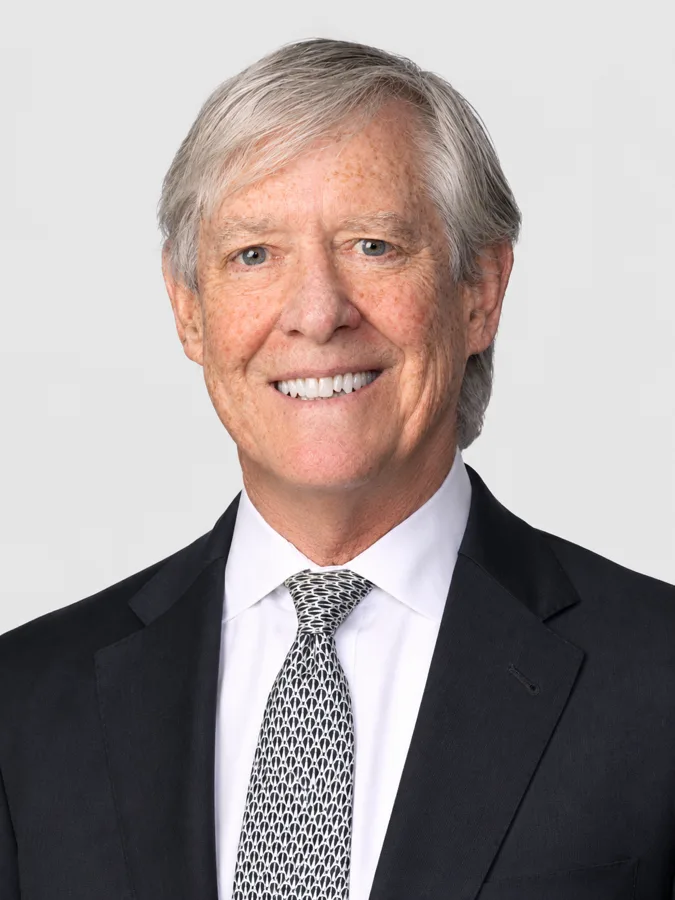
Daniel J. Mohan
Partner
Atlanta
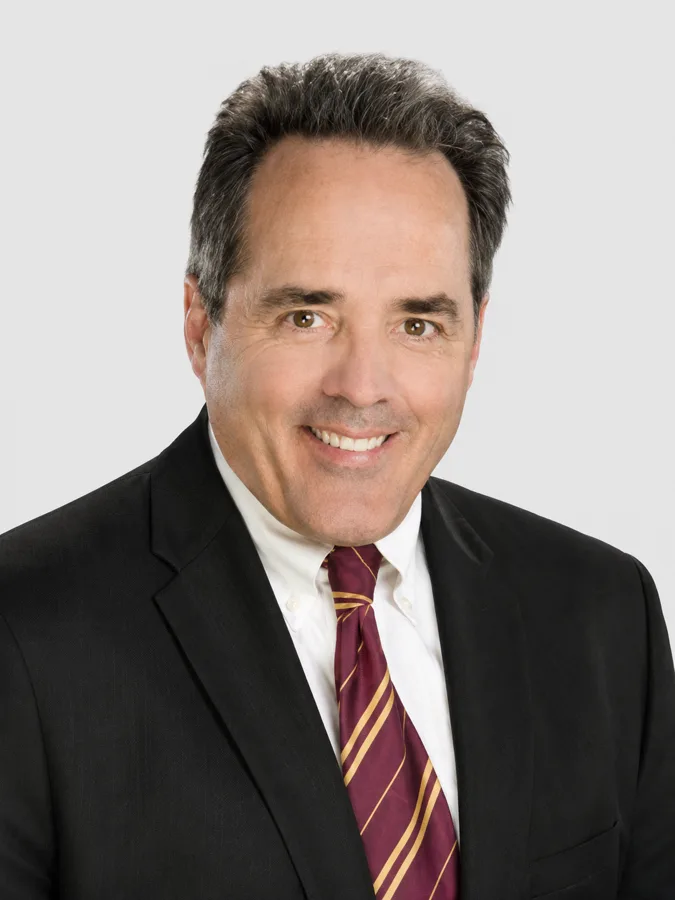
Mark E. Shure
Partner and General Counsel
Chicago

Michelle W. Skinner
Managing Partner
Chicago

Max A. Stein
Partner
Chicago
Counsel





Staff


Latest Insights & News
All articles
Celebrating the Joel Stern Pipeline Scholarship at NAMWOLF
EM3 is proud to be a dedicated sponsor of this scholarship, named in honor of Joel Stern, a leader in advancing diversity and inclusion through the legal process and within the profession.

Texas Enacts Comprehensive AI Law Focused on Prohibited Practices
Texas Governor Greg Abbott signed House Bill 149 into law, enacting the Texas Responsible Artificial Intelligence Governance Act (“TRAIGA”). This makes Texas one of the first U.S. states (after Colorado and Utah) to adopt a broad AI governance statute[^1]. TRAIGA establishes a statewide framework for the development, deployment, and use of AI systems, but its approach is not a generic risk-based regime. Instead, the law targets a set of clearly defined prohibited AI practices and imposes certain duties, while otherwise allowing room for innovation. The Act applies expansively to any person or business that “promotes, advertises, or conducts business” in Texas, offers products or services to Texas residents, or develops or deploys an AI system in Texas. In effect, even companies based outside Texas are covered if their AI systems are available to Texas users. Notably, TRAIGA preempts local regulations—cities and counties cannot impose their own AI rules. The law will take effect on January 1, 2026, giving organizations roughly 6 months to comply. However, its future could be influenced by potential federal legislation that might curtail stat

AI Isn’t Coming for Our Jobs. It’s Coming for Our Limitations.
For those who know me, you’ve probably heard me talk—maybe a bit too much—about AI. I don’t hide it: I’m passionate about it. My entire career has been shaped by the intersection of law, technology, and business. And for the first time, it feels like those threads are converging into something exponentially powerful. The rise of agentic AI is a paradigm shift that has the potential to unlock creativity, productivity, and human potential in ways we’ve never seen before. I’m so happy to be here right now.